
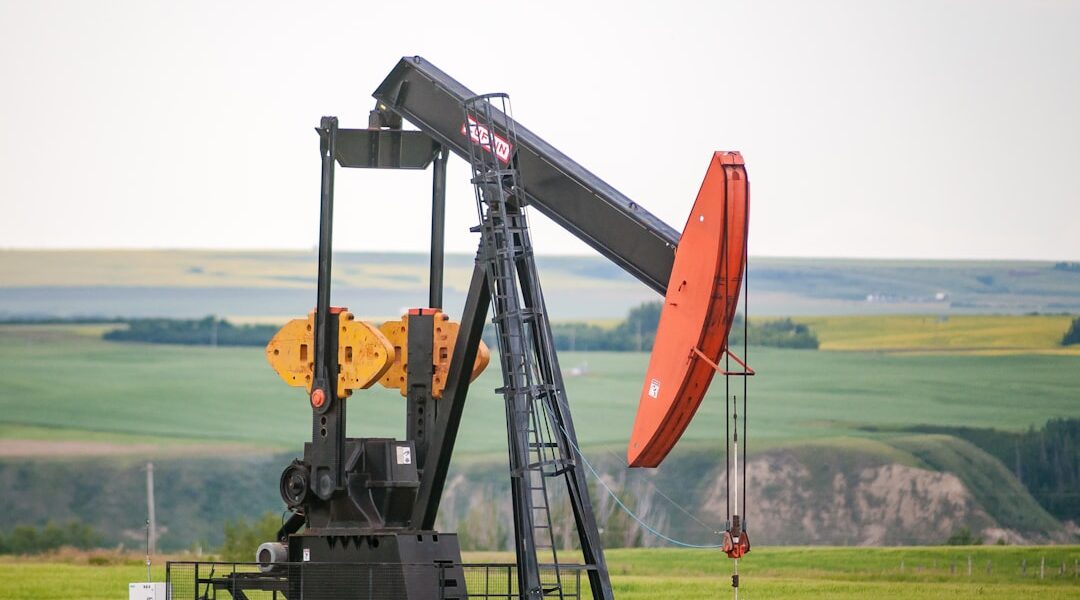
From Oil Block to Farm Gate: A Governor’s Quest for Agricultural Revolution in Nigeria’s Niger Delta
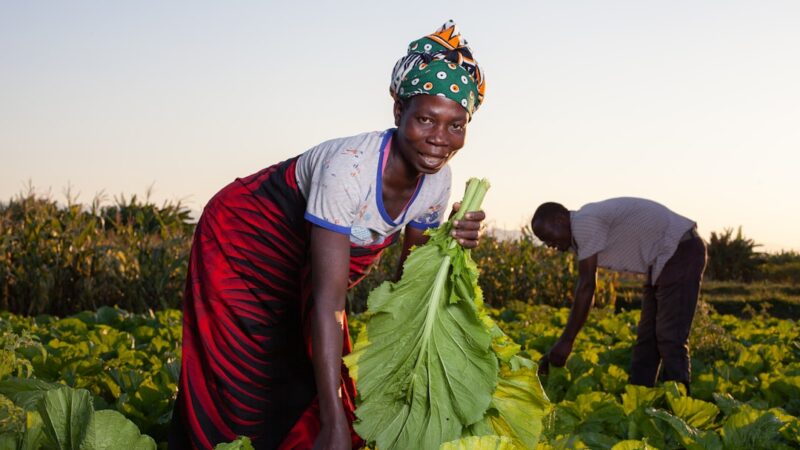
Nigeria’s Niger Delta region is often synonymous with oil wealth. However, beneath the surface of overflowing oil reserves lies a paradox – a region where agricultural potential is stifled by neglect, environmental degradation, and socio-economic challenges. It is within this context that a governor has undertaken a groundbreaking initiative to revolutionize agriculture in the Niger Delta, shifting focus from oil blocks to farm gates.
The Paradox of Plenty: Why Agriculture Struggles in the Niger Delta
For decades, the Niger Delta’s oil boom has led to the historical neglect of agriculture. As a result, the region has failed to unlock its full agricultural potential, and the consequences are far-reaching. The neglect of agriculture has led to:
- Land tenure issues: Land ownership and leasing arrangements have been poorly managed, stifling investment and innovation in agriculture.
- Environmental degradation: The oil industry’s devastating impact on the environment has rendered large tracts of land unsuitable for farming, exacerbating the problem of food insecurity.
- Youth disinterest: The lack of opportunities in agriculture has led to a brain drain, with many young people opting for less rewarding careers in the oil sector or beyond the region.
These challenges have had a profound impact on the socio-economic fabric of the Niger Delta. Food insecurity, unemployment, and poverty are rife, eroding the region’s economic prospects and limiting its potential for sustainable development.
A New Vision: Shifting Focus from Crude to Cultivation
In response to these challenges, the governor has unveiled a comprehensive blueprint to transform the Niger Delta into a thriving agricultural hub. The vision is built around strategic investments, policy reforms, and private sector engagement. Key initiatives include:
- Land reclamation: Efforts to restore degraded lands and reclaim abandoned oil fields for agricultural use.
- Modern farming techniques: Introduction of innovative farming methods, such as precision agriculture and hydroponics, to boost yields and reduce waste.
- Value chain development: Establishment of a robust value chain that connects farmers to markets, processors, and consumers, ensuring that farmers receive fair prices for their produce.
These initiatives are designed to create a fertile ground for agricultural growth, attract investments, and stimulate economic activity in the region.
Early Harvests and Lingering Doubts: Initial Impact and Obstacles
While the governor’s vision is ambitious, preliminary successes have been encouraging. The initiative has created jobs, improved food security, and sparked community buy-in. However, several challenges remain:
- Funding sustainability: The project’s long-term viability hinges on securing consistent funding, which is still a major concern.
- Political will beyond one tenure: The governor’s commitment to the project is commendable, but sustaining momentum will require continued support from subsequent administrations.
- Resistance to change: Changing deeply ingrained attitudes and practices in agriculture will require time, patience, and effective communication.
Addressing these challenges will be crucial to the project’s success.
Beyond the Farm Gate: Long-Term Implications for Regional Development
If the governor’s initiative succeeds, it could have far-reaching implications for regional development. By diversifying the economy and reducing reliance on oil revenues, the Niger Delta could:
- Achieve economic diversification: Diversifying the economy away from oil will make the region more resilient to external shocks and create a more balanced economic landscape.
- Reduce poverty and inequality: By creating jobs and stimulating economic activity, the project can help reduce poverty and inequality in the region.
- Inspire other regions: The Niger Delta’s experience could serve as a model for other resource-rich African regions seeking sustainable development.
In conclusion, the governor’s vision for an agricultural revolution in the Niger Delta is a bold step towards unlocking the region’s full potential. While challenges remain, the potential benefits of this initiative extend far beyond the farm gate, offering a beacon of hope for a more prosperous and sustainable future for the region.


No comments yet
Be the first to share your thoughts on this post.