
Contents
Nigerian Elections: What Nobody Tells You About the ‘Youth Vote’ Phenomenon
There’s a palpable energy that often engulfs the Nigerian political landscape whenever an election cycle draws near. A significant part of this energy, particularly in recent years, has been attributed to the burgeoning "youth vote." We see it plastered across social media, discussed in think-tanks, and invoked by politicians eager to tap into what is often presented as a monolithic, game-changing force. But what if the story we’re being told, and perhaps telling ourselves, about this youth wave is only part of the truth?
The Euphoria of the ‘Youth Wave’: A Closer Look
We’ve all witnessed the digital explosion. Hashtags trend for days, memes capture the political mood with uncanny precision, and online debates rage with a ferocity that suggests a seismic shift in political engagement. It’s easy to get caught up in this digital hype, believing that the sheer volume of online discourse directly translates to ground-level political power. However, the reality on the ground, away from the echo chambers of Twitter and Instagram, often tells a more nuanced and sometimes sobering story. The digital enthusiasm, while crucial for awareness and mobilization, doesn’t always perfectly align with voter registration numbers, let alone actual turnout at the polling units.
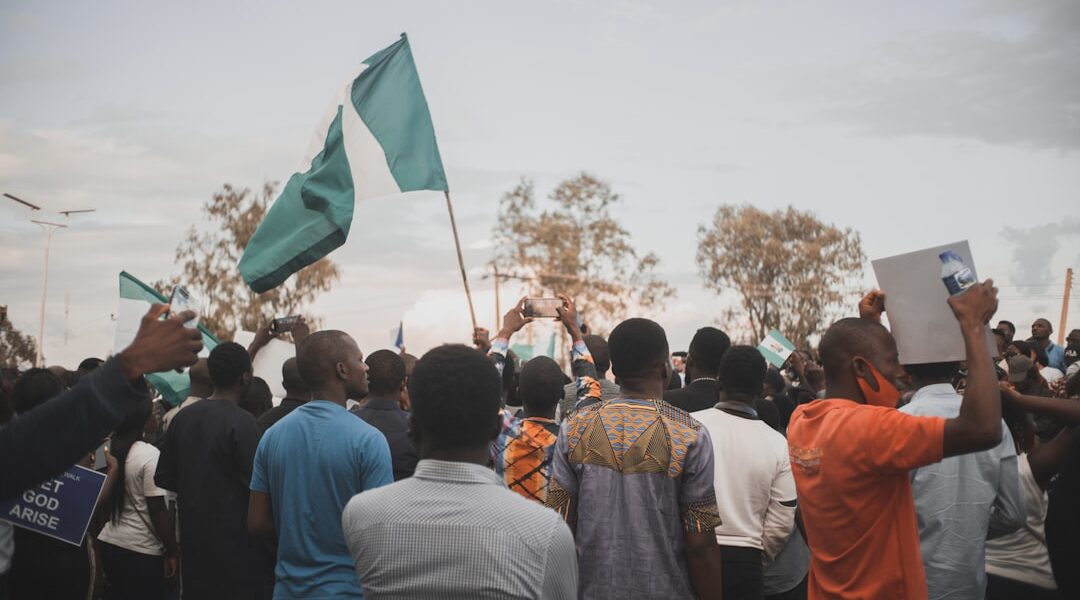
The "Obidient" movement, which swept through the 2023 general elections, serves as a compelling case study. It was a phenomenon unlike any we’d seen in recent Nigerian history, galvanizing millions of young people online and drawing unprecedented crowds to rallies across the country. It challenged the traditional two-party dominance and forced a national conversation about competence, accountability, and a departure from the old guard. Yet, despite its undeniable energy and ability to capture the national imagination, the movement ultimately faced significant hurdles. From deeply entrenched political structures and the pervasive influence of money politics to logistical challenges and allegations of voter suppression, the "Obidient" wave, while powerful, revealed the stark limits of passion against a well-oiled, often cynical, political machine. It highlighted the gap between inspiring a generation and overcoming the complex, sometimes ugly, realities of electoral victory in Nigeria.
Understanding Youth Demographics and Political Apathy
When we speak of "the youth vote," there’s an implicit assumption of a unified bloc with shared aspirations and political leanings. This couldn’t be further from the truth. Nigerian youth, much like the nation itself, are not a monolith. They are diverse, fragmented by regional, ethnic, religious, and socio-economic lines. A young person in Lagos, navigating the tech ecosystem, likely has different political priorities and allegiances than a young farmer in Benue or a student in Sokoto. Their interests are varied, their challenges unique, and what motivates them to vote (or not to vote) is deeply personal and context-specific. This diversity means that any attempt to paint "the youth" with a single political brushstroke is an oversimplification that misses the intricate tapestry of their political realities.
Perhaps the most uncomfortable truth, despite all the talk of a youth revolution, is the persistent problem of apathy. For all the online noise and occasional bursts of enthusiasm, many young Nigerians still don’t vote, and a significant number don’t even bother to register. The reasons are multifaceted and deeply rooted: a profound disillusionment with the political class, a pervasive feeling that their vote doesn’t truly count, and the sheer economic struggle that often prioritizes survival over political engagement. When the average young Nigerian is grappling with unemployment, insecurity, and a failing education system, the immediate concerns of putting food on the table or staying safe often overshadow the long-term promise of electoral change. This apathy isn’t born of indifference, but often from a deep-seated cynicism forged by years of governance failures and broken promises.
The Elite Capture of Youth Aspirations
The established political parties, ever shrewd, have not been oblivious to the rising tide of youth engagement. Their response, however, often leans towards tokenism and strategic co-option rather than genuine empowerment. We see parties appointing "youth leaders" whose roles are more ceremonial than substantive, or creating youth wings that serve primarily as foot soldiers during elections rather than platforms for policy advocacy. This tokenism gives the illusion of inclusivity, presenting a few young faces at the table, but rarely granting them real power or influence over critical decisions. The more promising young voices, those with genuine leadership potential or significant grassroots following, are often strategically co-opted into the existing patronage system, their idealism slowly eroded by the allure of access and resources.
This leads to a more insidious phenomenon: the illusion of choice presented by "youth candidates" who, upon closer inspection, often serve older agendas. These are young individuals put forward by established godfathers or political kingmakers, funded by their patrons, and groomed to represent a "fresh face" while their true loyalty and political agenda remain firmly tethered to the old guard. They might speak the language of youth empowerment and change, but their actions, once in office, frequently perpetuate the very status quo they claim to oppose. This creates a cycle where the aspirations of young people are exploited, their energy redirected, and the promise of generational change remains perpetually out of reach, masked by the youthful facade of those who ultimately serve older masters.
Beyond Elections: Sustaining Youth Engagement for Real Change
The election cycle, with its feverish campaigning and dramatic contests, often overshadows the more sustained, less glamorous work of nation-building. For the youth vote to truly matter, engagement cannot begin and end at the polling unit. Real, lasting change demands continuous participation, a relentless advocacy for policies, and a consistent holding of elected officials accountable. This means moving beyond cheering for a candidate every four years and delving into the intricacies of governance, understanding budget allocations, engaging in community organizing, and contributing to policy discussions. It’s about recognizing that the ballot box is merely one tool in a much larger arsenal for shaping society.
The long game, therefore, involves building sustainable youth movements that transcend electoral cycles and are not solely tethered to the fortunes of a single candidate or political party. These movements must be independent, focused on long-term goals like civic education, leadership development, advocating for specific policy reforms in areas like education, employment, and healthcare, and creating alternative platforms for political thought and action. This requires patience, strategic planning, and a deep commitment to building structures that can withstand the ebb and flow of political tides. True generational change won’t be delivered by a single election or a charismatic leader; it will be forged through the consistent, collective effort of young people who understand that their power lies not just in who they vote for, but in their sustained presence and demand for a better future, long after the campaign rallies have ended.



No comments yet
Be the first to share your thoughts on this post.